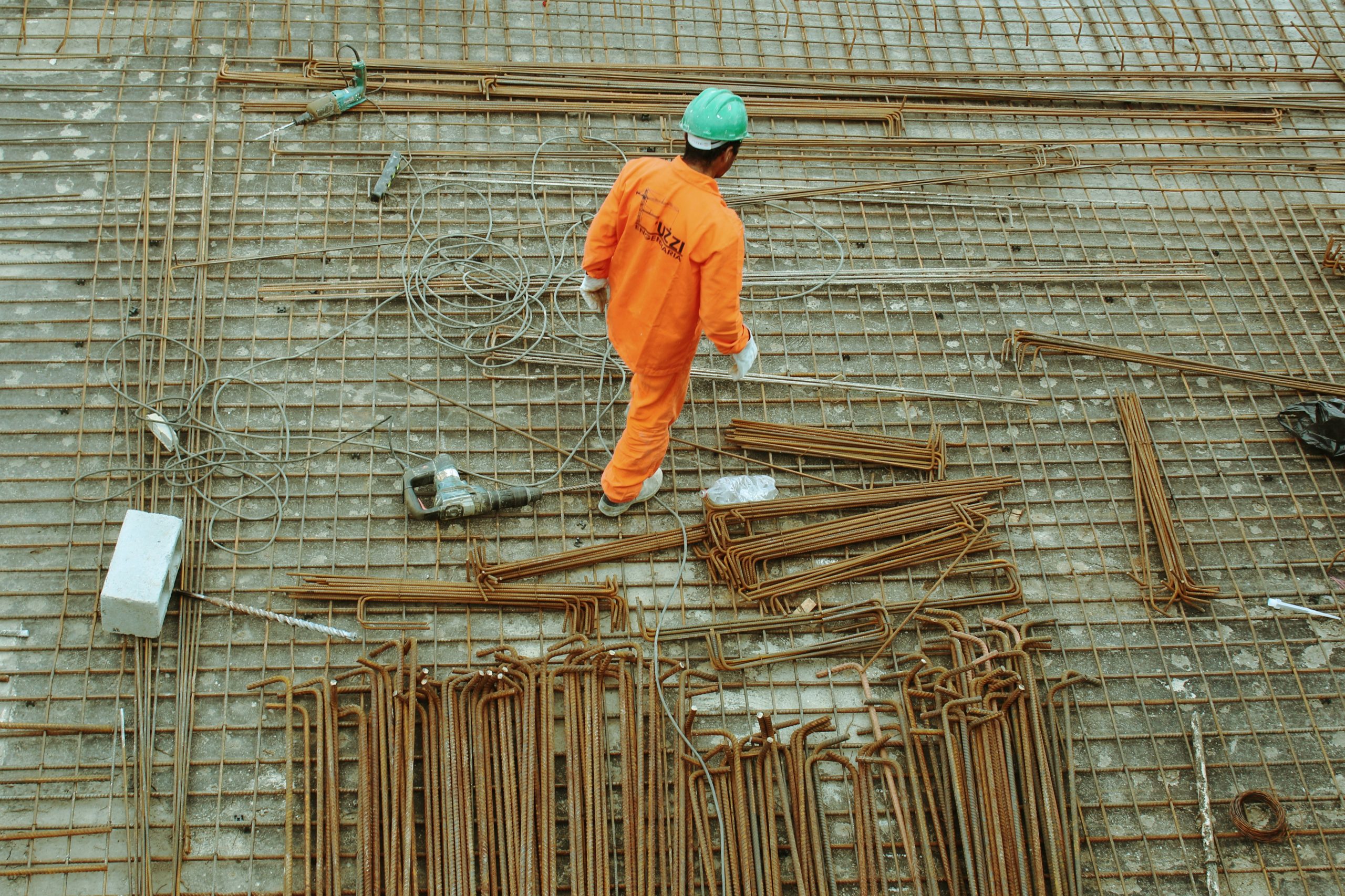
Safety is the foundation of every successful construction project. From planning and site preparation to project completion, maintaining a safe working environment protects workers, minimizes delays, and ensures every stage is completed with confidence. As construction methods continue to evolve with new technologies and stricter regulations, safety remains a top priority for delivering reliable, efficient, and high-quality results. A strong commitment to workplace safety not only reduces risks but also improves productivity, enhances team morale, and builds lasting trust with clients and stakeholders.
At Kristiansand Bygg AS, modern construction projects are managed with specialized equipment, skilled professionals, and innovative technologies. With these advancements comes greater responsibility to maintain strict safety standards throughout every phase of the project. Effective planning, continuous monitoring, and proactive risk management ensure that construction activities remain efficient while protecting workers, equipment, and surrounding communities.
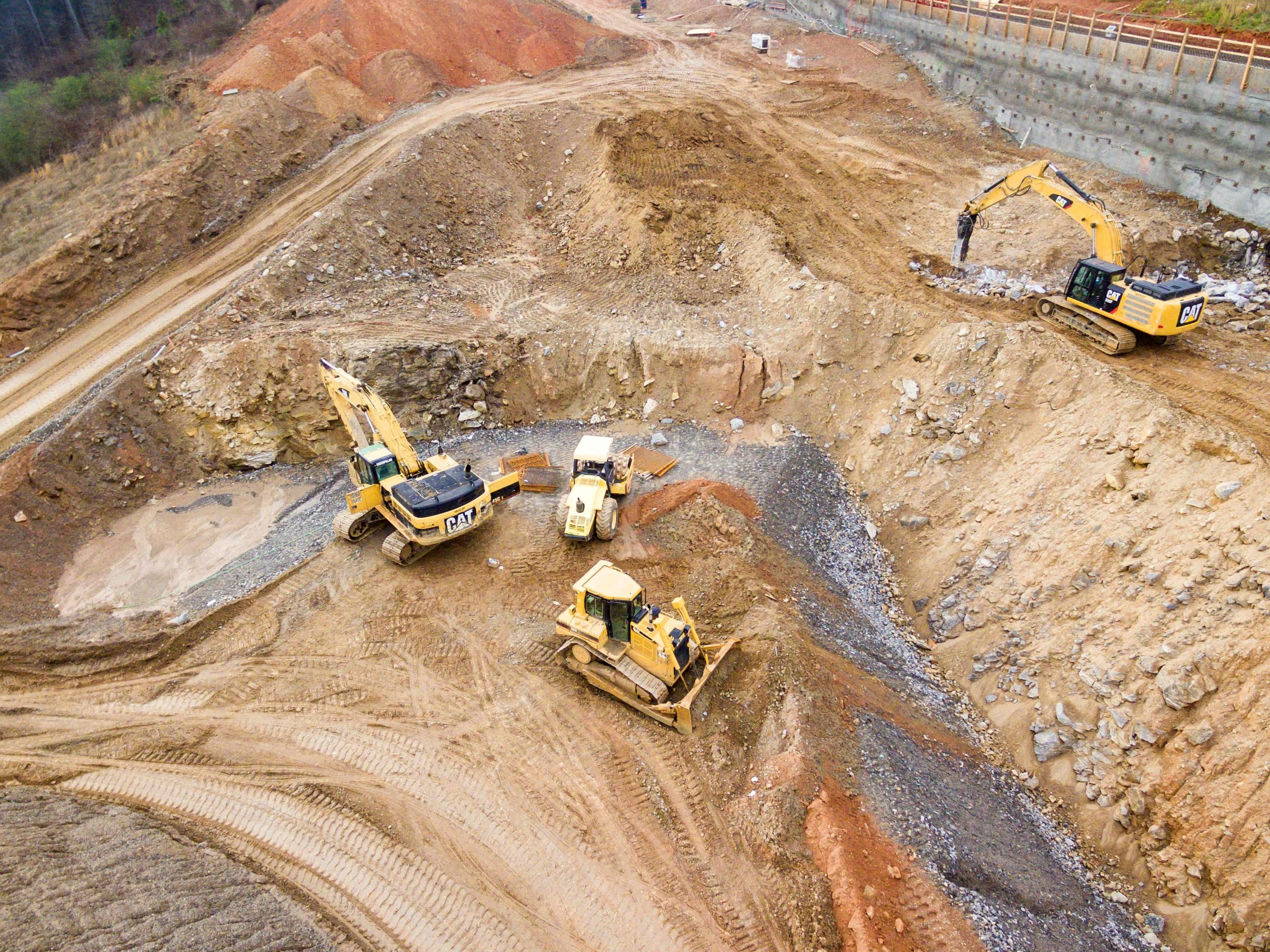
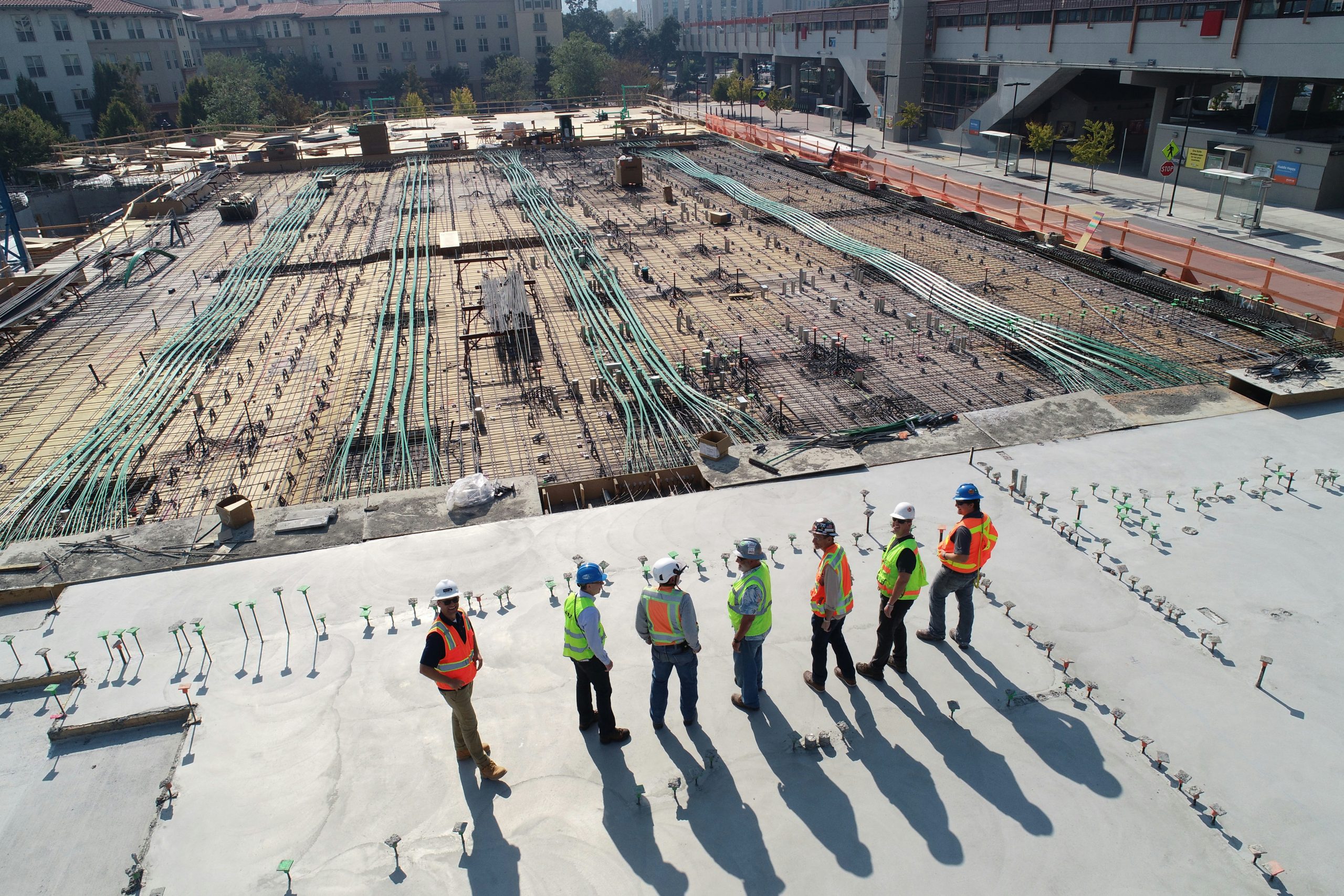
Construction sites are naturally dynamic environments where heavy machinery, elevated work areas, electrical systems, and specialized tasks such as kjerneboring require careful coordination. Even small oversights can lead to costly delays or workplace accidents. By implementing comprehensive safety procedures, conducting regular inspections, and providing ongoing training, construction teams can significantly reduce risks while improving operational performance and project quality.
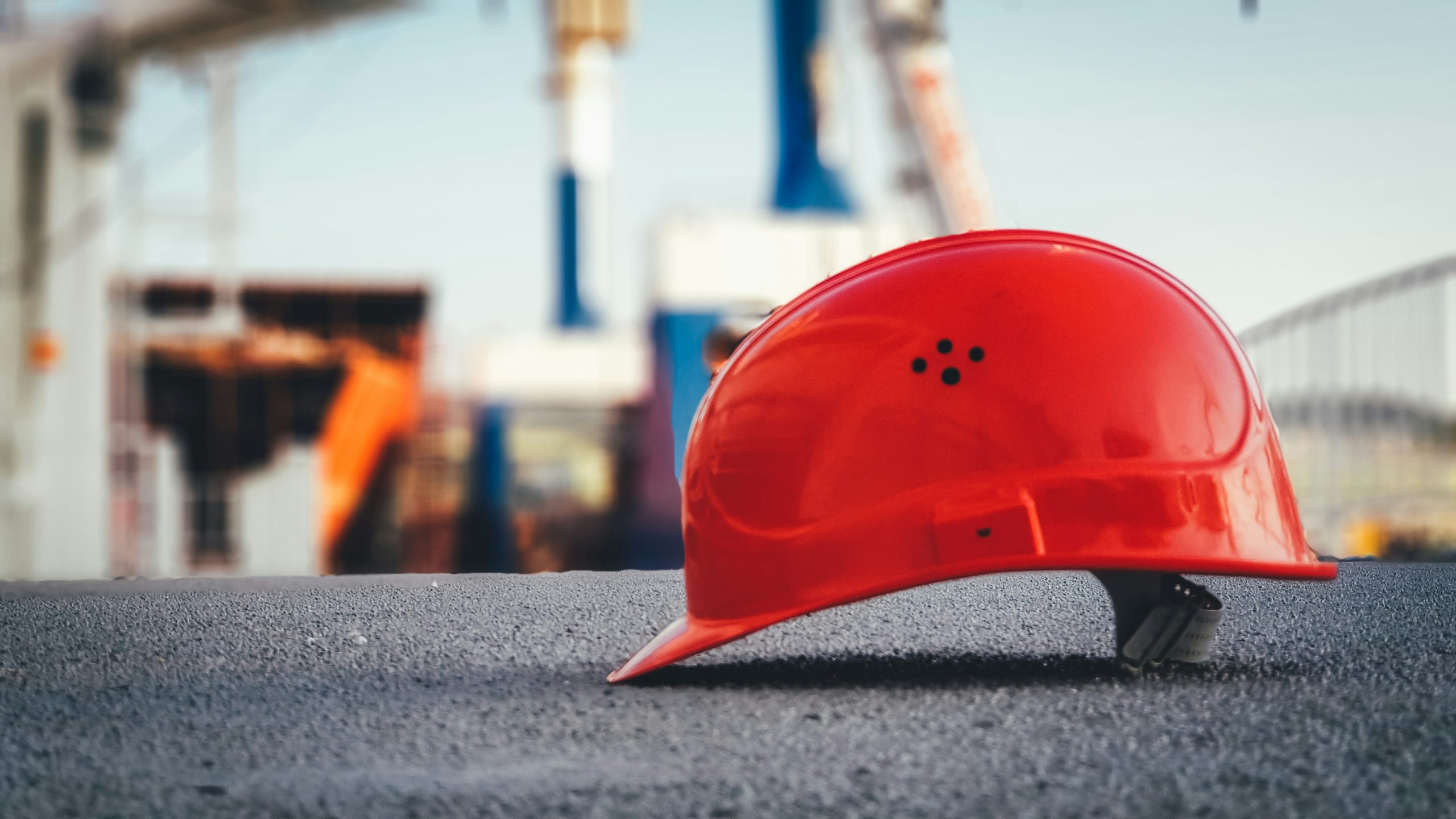
Every worker should have access to appropriate personal protective equipment, including helmets, gloves, safety boots, eye protection, reflective clothing, and fall protection systems.
Construction equipment must be regularly inspected, maintained, and operated by qualified personnel. Routine maintenance schedules, operator training, and strict safety protocols help prevent mechanical failures, improve efficiency.




"The project was completed on schedule with outstanding attention to safety and quality. The team communicated clearly throughout every phase and delivered results that exceeded our expectations."
Effective site management creates a safer and more organized construction environment. Clear site planning, designated work zones, proper signage, secure storage areas, and controlled access points reduce hazards while improving workflow. Daily inspections and continuous supervision help ensure all activities follow established safety procedures from start to finish.
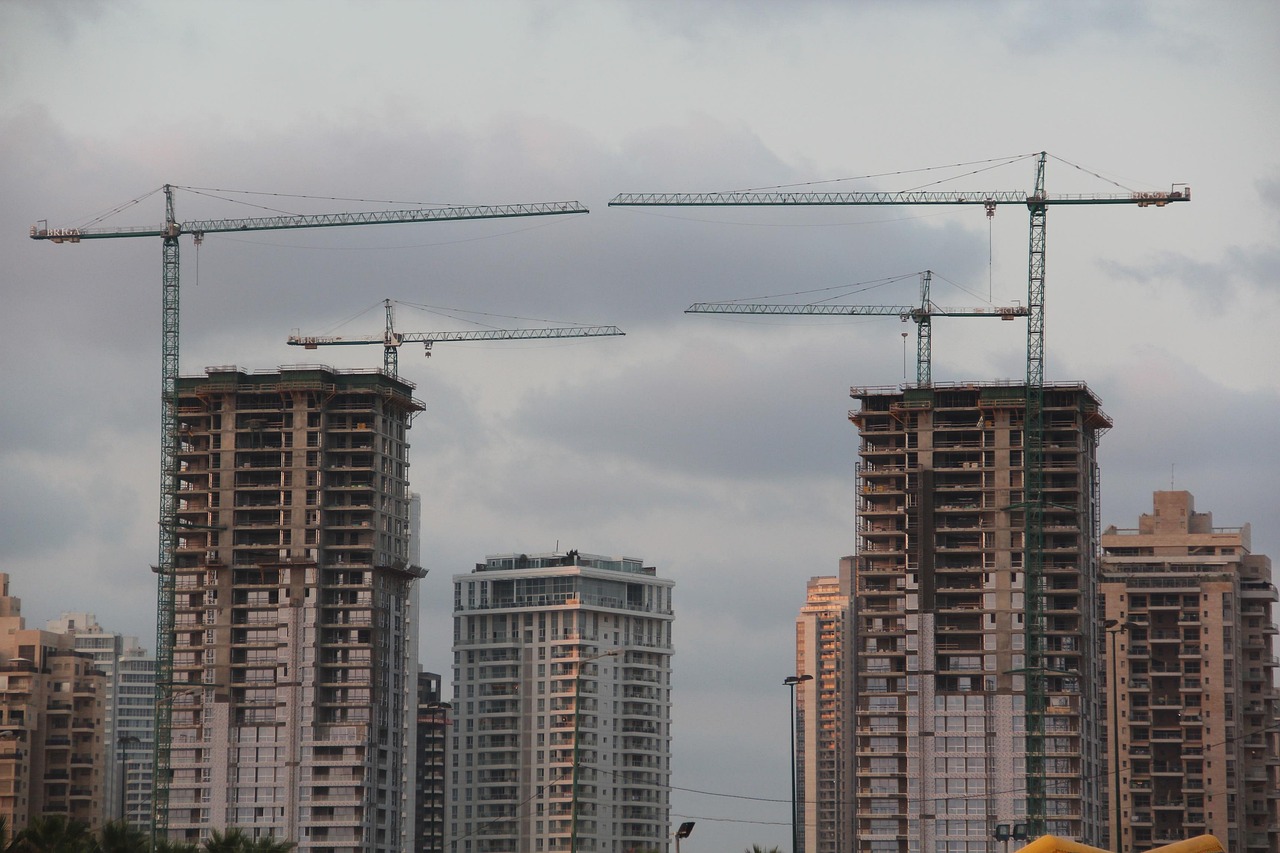
Modern construction increasingly relies on innovative technology to improve workplace safety, particularly during specialized operations such as wiresaging. Smart sensors, drones, wearable devices, digital reporting systems, and real-time monitoring help identify potential hazards before they become serious incidents. These technologies improve communication, increase operational visibility, and support faster decision-making on active job sites.
Meeting Industry self-regulation and safety standards is essential for every successful construction project. Regular audits, risk assessments, documented procedures, and ongoing employee training ensure projects remain compliant with local regulations and internationally recognized safety practices. A strong compliance culture demonstrates professionalism while protecting workers, clients, and project investments.
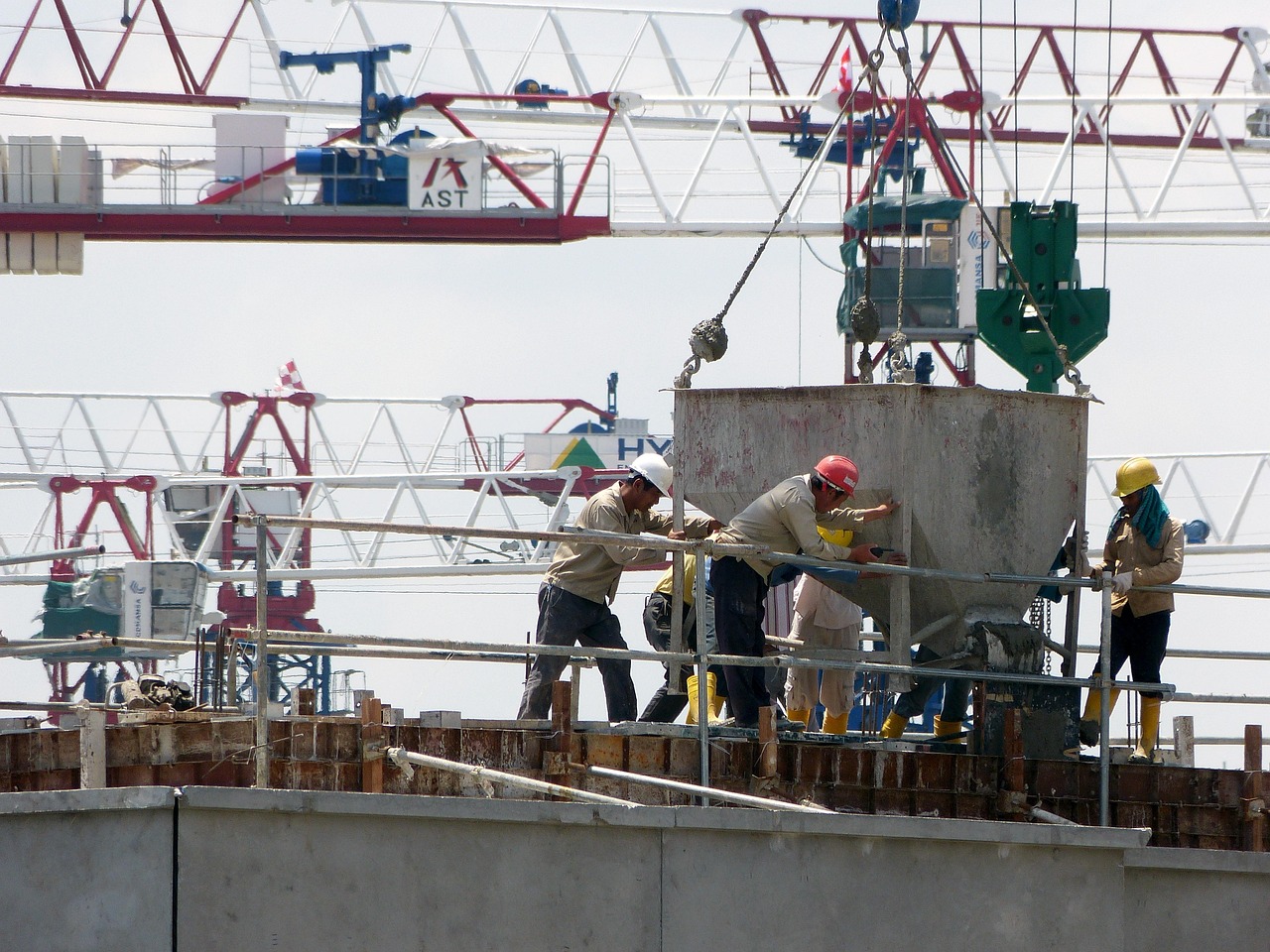
Construction safety continues to evolve as the industry adopts smarter technologies, sustainable building practices, and more efficient project management methods. Preventing workplace incidents now extends beyond protecting workers to include environmental responsibility, improved resource management, and enhanced operational efficiency. Modern construction increasingly focuses on reducing waste, controlling emissions, limiting noise pollution, and creating safer environments for both workers and surrounding communities.
Looking ahead, digital innovation will continue transforming construction safety. Artificial intelligence, predictive analytics, robotics, automation, Building Information Modeling (BIM), and connected job sites will enable teams to identify risks before work begins and respond quickly to changing conditions. Specialized dykkertjenester can also benefit from advanced monitoring and safety technologies, helping future construction projects achieve greater accuracy, enhanced collaboration, improved productivity, and long-term project success.